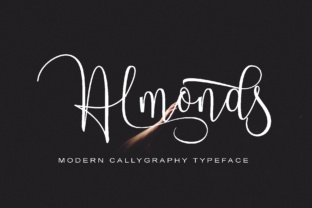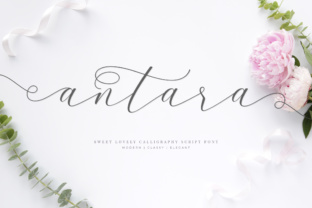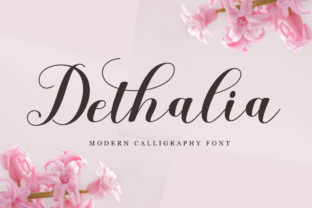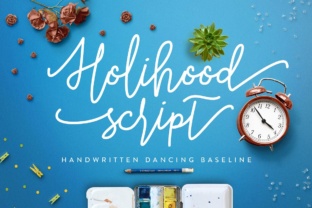
Modista Script Font: A Handwritten Touch for Your Brand
I remember the exact moment I realized my business needed a visual upgrade. I was standing in my small bakery kitchen, holding a plain brown paper bag with a sticker that simply said “Thank You” in a generic font I had downloaded years ago. It didn’t match the warm, handmade feel of my pastries. Right then, I knew I needed a font that could carry the personality of my brand into every little detail—from the labels on my cake boxes to the menu board above the counter. That search led me to Modista Script, and honestly, it changed how my customers see everything I create.
The Moment a Font Becomes More Than Letters
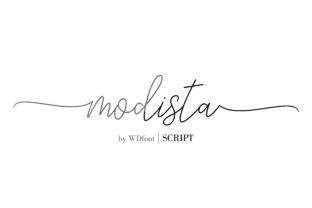
Modista Script is a script font that feels like it was drawn by hand with care. It has a smooth, flowing style that avoids being too rigid or too playful. When I first tested it on a simple product label for my lavender shortbread cookies, I noticed right away how the letters seemed to dance just enough to feel elegant but still readable. It gave my packaging a handmade quality without looking messy or hard to read. For a small business owner like me, that balance is everything.
I started using Modista Script for the headlines on my product tags, the names of my seasonal flavors, and even the little notes I tuck into each order. Every time I print a new batch of labels, I feel like I’m adding a piece of my brand’s personality onto paper. It makes my products feel more intentional, more polished, and more like something you’d find in a boutique bakery rather than a home kitchen.
Where Modista Script Shines in Your Business
If you run a small business, you know that consistency across different materials can be tricky. You want your logo to feel recognizable whether it’s on a tiny sticker or a large Instagram post. Modista Script works beautifully in logo design because it has a distinctive character that stands out even at smaller sizes. I use it for the main wordmark on my bakery boxes, and it looks just as good on a business card as it does on a website banner.
Beyond logos, this font is incredibly versatile for product packaging. Whether you’re designing labels for candles, skincare bottles, coffee bags, or handmade soap, Modista Script adds a layer of warmth that a standard serif or sans serif font simply cannot match. I also use it on my thank-you cards, stickers, and even the small flyers I include with each order. It ties everything together visually, so my brand feels cohesive no matter where a customer encounters it.
For café owners and restaurant operators, Modista Script works beautifully on menus, especially for highlighting daily specials or dessert names. It adds a handwritten, personal feel that invites customers to slow down and read. I have seen similar fonts used on chalkboard-style menus and printed menus alike, and the effect is always inviting.
Typography and First Impressions
I never fully understood how much typography affects first impressions until I swapped out my old font for Modista Script. Suddenly, my packaging looked more expensive, more curated, and more trustworthy. Customers started commenting on the little details—the way the letters curved on the label or how the font felt like it belonged to my brand. It turns out that the right typeface can communicate care and quality before a customer even tastes your product.
Of course, readability matters too. Modista Script is designed as a display font, meaning it works best for headlines, product names, short phrases, and decorative accents rather than long paragraphs. I use it for the main text on my packaging and social media graphics, but I pair it with a clean sans serif font for ingredient lists and detailed descriptions. That way, customers get the beautiful handwritten feel where it counts most, without struggling to read important information.
Font Pairing Ideas That Work
Pairing Modista Script with a simple sans serif font is a reliable choice that almost always looks balanced. I use a lightweight sans serif for the body text on my website, my ingredient labels, and my shipping inserts. The contrast between the smooth script and the clean, modern sans serif creates a professional look that feels both friendly and refined. If you prefer a more elegant style, a delicate serif font can also complement Modista Script nicely, especially for formal branding like wedding invitations or premium product lines.
For social media graphics, I often use Modista Script for the headline and a simple handwritten-style font for supporting text. The key is to keep the pairing simple so that the script font remains the star. You do not need multiple script fonts competing for attention. One good script and one clean body font are usually enough to create a strong, consistent brand identity.
Practical Tips Before You Use Modista Script Commercially
Before you start applying Modista Script to your products, it is worth checking the included styles and file formats. This font comes with alternates and ligatures, which give you flexibility to create unique letter combinations that feel even more handcrafted. I always test a few different letter pairings when designing a new logo or label to find the combination that looks most natural.
Licensing is another important step. If you are using Modista Script for commercial projects—such as product packaging, merchandise, client work, or digital templates—make sure you have the appropriate license. Many script fonts in the Script Amp category offer different tiers for personal use, commercial use, and extended licensing. Reading the terms carefully ensures you stay compliant and avoid issues down the road. I checked the license before I printed my first batch of labels, and that peace of mind is worth the effort.
Making Your Brand Feel Recognizable and Customer-Friendly
One of the biggest benefits I have seen since switching to Modista Script is how much more recognizable my brand has become. Customers see the font and instantly associate it with my bakery. That kind of visual consistency builds trust over time. When people receive a package from me, they know it is mine before they even open the box. The font has become a quiet but powerful part of my brand identity.
For handmade sellers, online shop owners, and boutique creators, a well-chosen script font like Modista Script can elevate everyday materials that once felt ordinary. You can use it on shipping labels, packing slips, coupon cards, Instagram posts, and even the watermark on your product photos. Every touchpoint becomes an opportunity to reinforce your brand’s personality.
A Font That Grows with Your Business
What I appreciate most about Modista Script is how it scales with my business. When I was just starting out, I used it on simple paper tags and handwritten-style signs. Now that my product line has grown, I use it on larger packaging, website banners, and even a small billboard for a local market. The font holds up beautifully at different sizes, whether it appears on a tiny lip balm label or a large storefront sign. That kind of versatility is rare in display fonts, and it makes Modista Script a smart investment for any small business owner who plans to grow.
If you are a café owner, a candle seller, a beauty brand creator, or an online shop builder, I encourage you to try Modista Script on one piece of your branding first. Print a label, design a social graphic, or create a simple business card. You will likely notice the same shift I did—a subtle but undeniable improvement in how your materials feel to you and to your customers. Sometimes the smallest change, like choosing the right font, can make your entire brand feel more consistent, polished, and memorable.
Modista Script has become an essential part of my design toolkit. It is not just a font; it is the voice of my brand in every letter, every curve, and every label I create. For anyone looking to add a warm, handwritten touch to their business without sacrificing professionalism, this typeface is a choice you will not regret.